





What Are Peptides in Bodybuilding? Benefits, Uses, and What You Need to Know
Peptides have become a popular topic in the fitness industry, with many bodybuilders and athletes exploring their potential role in muscle growth, recovery, and performance. From social media discussions to gym conversations, bodybuilding peptides are often promoted as tools for improving training results. But what exactly are peptides, and how do they fit into a bodybuilding routine?
In this guide, we’ll explain what peptides are in bodybuilding, how they work, their potential benefits, the risks involved, and why proper guidance is essential before considering their use.
What Are Peptides?
Peptides are short chains of amino acids that act as building blocks for proteins in the body. These naturally occurring compounds play a vital role in numerous biological processes, including hormone production, tissue repair, immune function, and muscle recovery.
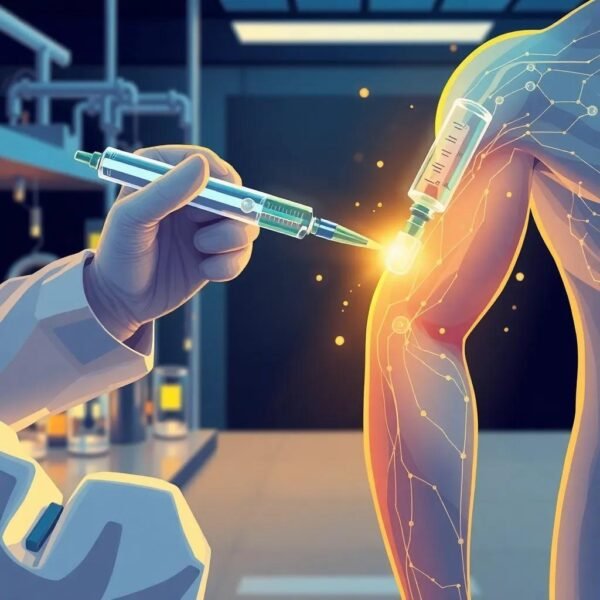
In bodybuilding, the term peptides typically refers to synthetic peptides designed to mimic or influence specific biological functions. Some peptides are researched for their ability to stimulate the release of growth hormone or support tissue repair, while others are investigated for recovery and performance-related purposes.
It’s important to note that many peptides discussed in bodybuilding are not approved for muscle-building purposes and may only be authorized for research or specific medical uses in some countries.
How Do Peptides Work in Bodybuilding?
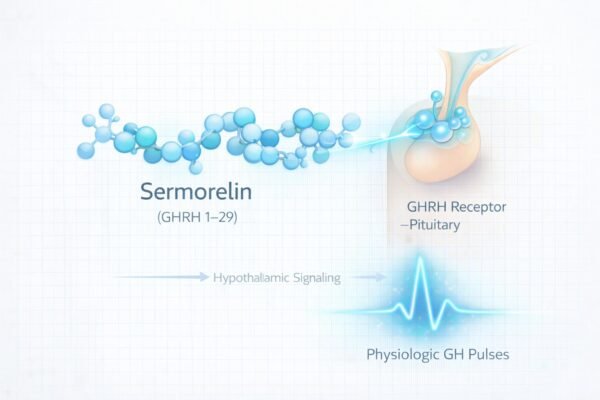
Different peptides work in different ways depending on their structure and intended purpose. Some are designed to stimulate the body’s natural production of growth hormone by signaling the pituitary gland, while others are being studied for their role in tissue healing, collagen production, or muscle recovery.
Rather than directly building muscle, certain peptides may influence biological processes associated with recovery and adaptation. Their effects can vary significantly depending on the specific peptide, dosage, overall health, nutrition, and training program.
Potential Benefits of Peptides for Bodybuilding
Although research is ongoing, peptides are often discussed for several potential benefits within the bodybuilding community.
May Support Muscle Recovery
Intense resistance training places stress on muscles and connective tissues. Some peptides are being investigated for their potential to support recovery by promoting tissue repair and reducing recovery time, allowing athletes to return to training more efficiently.
May Promote Lean Muscle Development
Certain peptides are studied for their ability to stimulate the body’s natural release of growth hormone, which plays a role in muscle maintenance and growth. However, results vary, and these effects are not guaranteed.
May Improve Workout Recovery
Recovery is essential for consistent progress in bodybuilding. Some users report feeling less muscle soreness and faster recovery between workouts, although scientific evidence differs depending on the specific peptide.
May Support Joint and Tendon Health
Heavy lifting can place significant strain on joints, ligaments, and tendons. Some peptides are under investigation for their role in supporting connective tissue repair, potentially helping athletes recover from training-related stress.
May Assist Fat Loss
Certain peptides are promoted for supporting fat metabolism while preserving lean muscle mass. However, maintaining a calorie-controlled diet and structured exercise program remains the foundation of effective body composition changes.
Commonly Discussed Peptides in Bodybuilding
Several peptides are frequently mentioned within fitness communities and research discussions, including:
- Growth hormone-releasing peptides (GHRPs)
- Growth hormone-releasing hormone (GHRH) analogs
- BPC-157 (primarily researched for tissue healing)
- TB-500 (studied for recovery and tissue repair)
- CJC-1295
- Ipamorelin
Many of these compounds remain under scientific investigation, and their safety, effectiveness, and legal status vary by country.
Are Peptides Safe?
Safety depends on the specific peptide, product quality, dosage, and individual health conditions. Using peptides without medical supervision may increase the risk of side effects, contamination, or incorrect dosing.
Possible side effects may include:
- Water retention
- Injection site irritation
- Headaches
- Changes in blood sugar regulation
- Joint discomfort
- Hormonal imbalances
- Unknown long-term health effects
Because many bodybuilding peptides are sold through unregulated sources, product purity and ingredient accuracy can be inconsistent.
Legal and Regulatory Considerations
Many peptides used for bodybuilding are not approved for enhancing athletic performance. Some are available only by prescription for specific medical conditions, while others are sold strictly for laboratory research purposes.
In competitive sports, several peptides are prohibited by organizations such as the World Anti-Doping Agency (WADA). Athletes should always verify whether a substance is permitted before use to avoid anti-doping violations.
Should You Use Peptides for Bodybuilding?
If your goal is to build muscle, improve recovery, and enhance performance, remember that the strongest foundation is still:
- Progressive strength training
- High-quality protein intake
- Balanced nutrition
- Adequate sleep
- Proper recovery
- Consistent training
Anyone considering peptides should consult a qualified healthcare professional to discuss potential benefits, risks, legal considerations, and whether they are appropriate for their individual circumstances.
Final Thoughts
Peptides have attracted significant attention in the bodybuilding world because of their potential role in muscle recovery, growth hormone signaling, tissue repair, and overall performance support. While some peptides show promise in scientific research, evidence is still evolving, and many products marketed for bodybuilding are not approved for these uses.
For most individuals, long-term success comes from combining evidence-based training, proper nutrition, and healthy recovery habits. Understanding the science behind bodybuilding peptides can help you make informed decisions while prioritizing your health, safety, and fitness goals.