




What Are the Peptides on TikTok?
If you’ve spent even a few minutes scrolling through TikTok recently, you’ve probably seen creators talking about peptides as the next big thing in health, fitness, skincare, and anti-aging. From claims of faster muscle recovery to glowing skin and weight management support, peptides have become one of the hottest wellness topics online. But what exactly are peptides, and do they live up to the hype?
In this guide, we’ll break down everything you need to know about peptides, explain why they’re trending on TikTok, and help you separate scientific facts from social media buzz.
What Are Peptides?
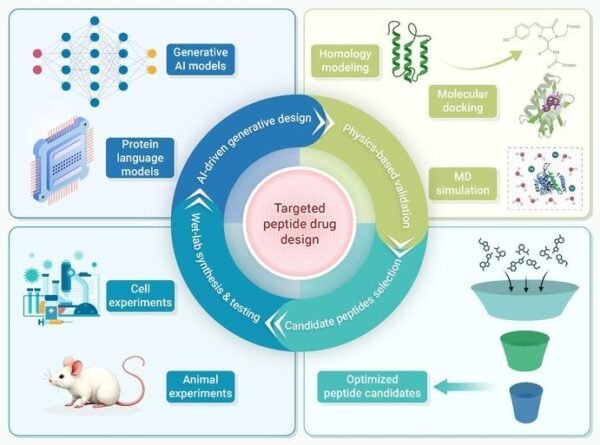
Peptides are short chains of amino acids, which are the building blocks of proteins. Your body naturally produces peptides that act as signaling molecules, telling cells and tissues how to function. They play important roles in numerous biological processes, including:
- Muscle growth and repair
- Collagen production
- Hormone regulation
- Skin rejuvenation
- Immune function
- Tissue healing
- Metabolism
Because peptides support these essential functions, scientists have been studying them for decades in medicine, sports science, and dermatology.
Why Are Peptides Trending on TikTok?
TikTok creators are showcasing peptides as part of their wellness, beauty, and fitness routines. Videos often highlight dramatic before-and-after transformations, making peptides appear like a miracle solution.
Popular TikTok discussions focus on:
- Weight management support
- Lean muscle development
- Improved workout recovery
- Reduced appearance of wrinkles
- Better skin hydration
- Hair growth support
- Increased energy levels
- Enhanced overall wellness
While many users share positive personal experiences, it’s important to remember that individual results vary, and not every claim on social media is supported by strong scientific evidence.
Popular Peptides You May See on TikTok
Several peptides frequently appear in TikTok wellness videos. Some of the most commonly discussed include:
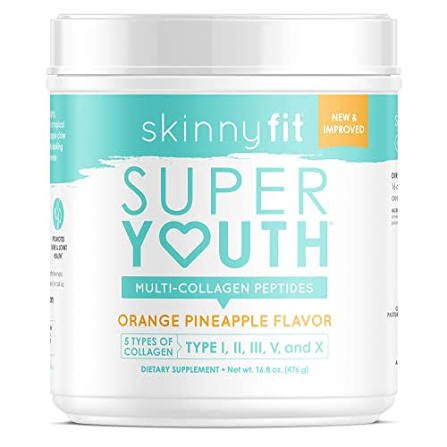
Collagen Peptides
Collagen peptides are among the most widely used dietary supplements. They may help support:
- Skin elasticity
- Hair and nail strength
- Joint comfort
- Bone health
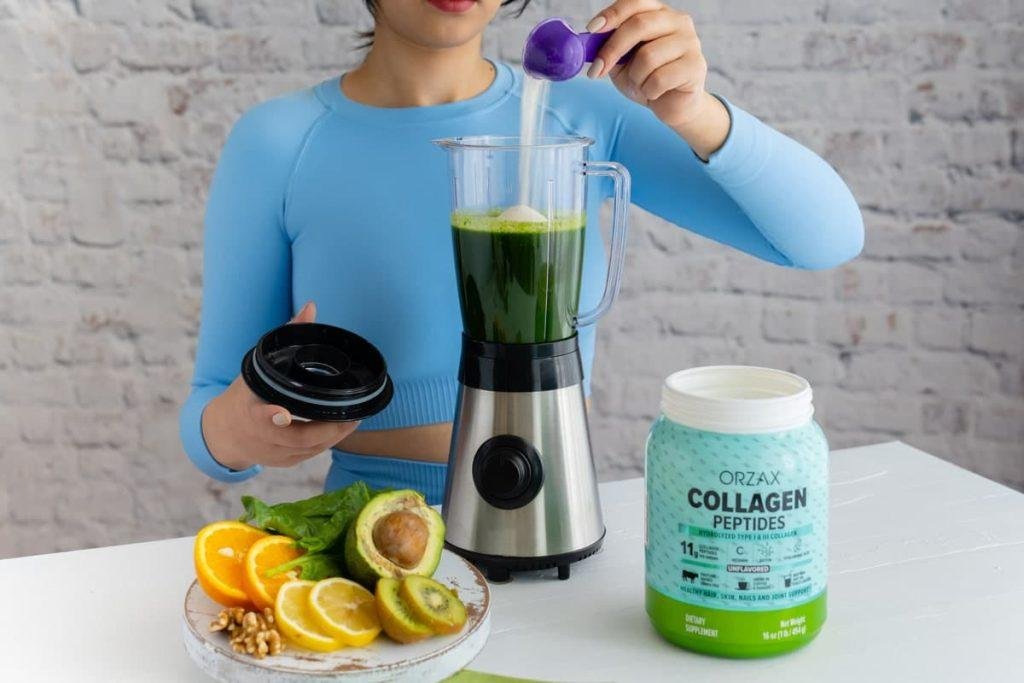
Many people incorporate collagen peptides into smoothies, coffee, or protein shakes as part of their daily wellness routine.
BPC-157
Often discussed in fitness communities, BPC-157 has gained attention for its potential role in tissue repair and recovery. However, research in humans remains limited, and many claims circulating online have not been conclusively proven.
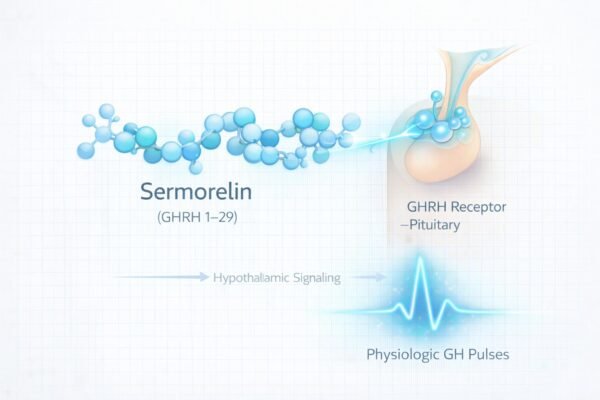
CJC-1295 and Ipamorelin
These peptides are frequently mentioned for their potential effects on growth hormone release, muscle recovery, and body composition. They are generally discussed in performance-focused communities rather than as everyday wellness supplements.
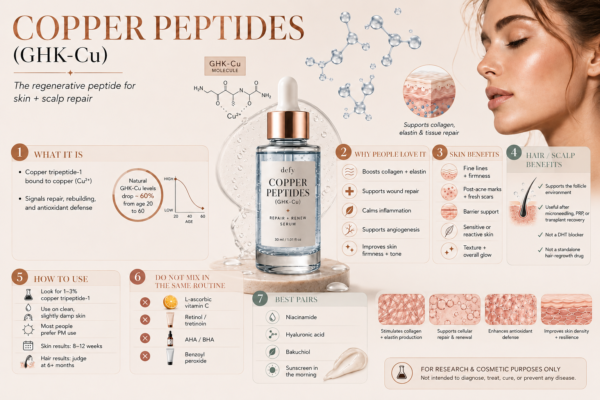
GHK-Cu Copper Peptide
Known in the skincare world, GHK-Cu is commonly found in premium serums designed to improve the appearance of aging skin by supporting collagen production and skin renewal.
Are Peptides Safe?
Safety depends on the specific peptide, how it’s used, and whether it’s approved for that purpose.
For example:
- Collagen peptides are widely available as dietary supplements and are generally well tolerated by most healthy adults.
- Cosmetic peptides used in skincare products are commonly included in serums and creams.
- Research peptides promoted online may not be approved for consumer use and should not be used without guidance from a qualified healthcare professional.
Always purchase peptide products from reputable manufacturers that provide third-party quality testing and transparent ingredient information.
Do Peptides Really Work?
Scientific research suggests that certain peptides may offer genuine health and cosmetic benefits. For example, collagen peptides have been studied for skin hydration and joint health, while specific cosmetic peptides may improve the appearance of fine lines.
However, it’s essential to be cautious of exaggerated claims on TikTok. No peptide is a magic solution, and results often depend on factors such as diet, exercise, sleep, genetics, and overall lifestyle.
Final Thoughts
The popularity of peptides on TikTok reflects growing interest in evidence-based wellness, healthy aging, and performance optimization. While some peptides—such as collagen peptides and skincare peptides—have encouraging research behind them, many of the more sensational claims shared on social media require further scientific validation.
Before adding any peptide product to your routine, take the time to research the ingredients, understand the intended use, and consult a healthcare professional if you have medical conditions or are considering products beyond standard dietary or cosmetic formulations.
As with any wellness trend, informed decisions lead to better long-term results. By understanding what peptides are and how they work, you can confidently navigate the TikTok hype and choose products that align with your health, fitness, and skincare goals.